





Types of Kitchen Sinks: Choose the Right One for Your Home

The kitchen is often called the heart of the home. If that is true, then the sink is arguably its most vital organ. Think about how many times a day you use it. From filling the kettle in the morning to washing vegetables for dinner and scrubbing plates at night, your sink sees a lot of action.
Choosing the right sink is not just about picking something that looks nice. It is about making your daily life easier. A well-chosen sink improves your workflow, makes cleaning less of a chore, and fits perfectly with your countertop.
However, the sink is only half the story. To get the best experience, you must also consider usability, maintenance, and the kitchen tap fittings that go with it. This guide will walk you through the different types of sinks and help you decide which one suits your lifestyle best.
Types of Kitchen Sinks
There are many styles available today. Each has its own strengths regarding installation, look, and function. Here are the most common types you will find.
i) Single Bowl Sink
This is a very popular choice for modern kitchens. As the name suggests, a single bowl sink features one large, open basin without any dividers.
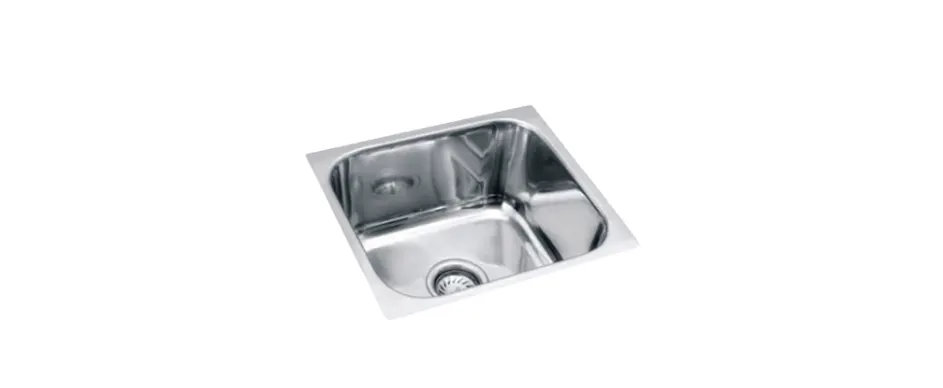
Why choose it? It offers plenty of room. If you often cook with large pots, baking trays, or roasting pans, a single bowl is a lifesaver. You can lay a large pan flat at the bottom to soak it easily.
Best for: Smaller kitchens where counter space is limited, or for keen cooks who use oversized cookware.
ii) Single Bowl Side Drain Sink
This is a highly practical variation of the standard single bowl. Single bowl side drain sink features one washing basin attached to a dedicated “drainboard” or drying area on the side. The drainboard typically has grooves that channel water directly back into the sink.
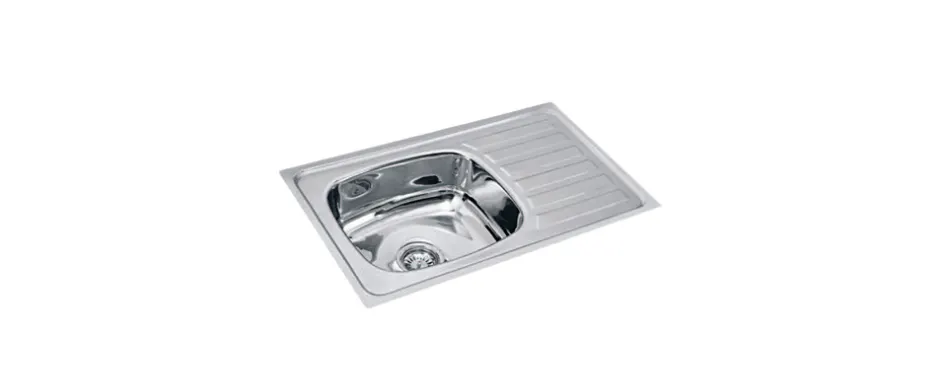
Why choose it? It keeps your countertops dry. You can wash dishes and place them immediately on the side drainer without creating a puddle on your worktop. It is also excellent for drying washed vegetables or thawing frozen food hygienically.
Best for: Kitchens with laminate or wooden worktops where water damage is a concern, and for those who wash a lot of items by hand.
iii) Double Bowl Sink
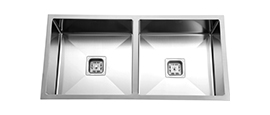
The double-bowl sink was the standard for many years. It has a partition in the middle, creating two separate basins. These can be equal in size, or one can be smaller than the other.
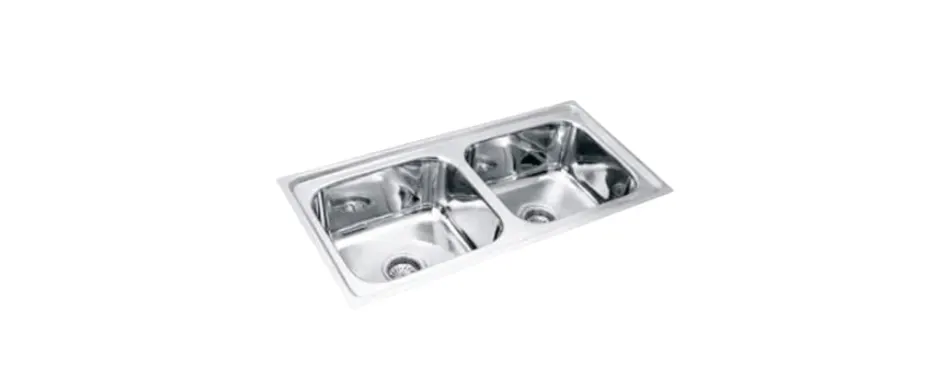
Why choose it? It is excellent for multitasking. You can fill one side with hot, soapy water for washing up and use the other side for rinsing. Alternatively, you can prep food in one bowl while dirty dishes sit in the other.
Best for: Households without a dishwasher or those who prefer to wash up by hand.
iv) Top-Mount Sink
Also known as a “drop-in” sink, this is the most common and budget-friendly option. The sink is dropped into a hole cut into the counter, and the rim sits on top of the surface.
Why choose it? It is very easy to install. Because the rim holds it in place, it works with almost any countertop material.
Best for: DIY renovations and budget-conscious projects.
v) Undermount Sink
An undermount sink is attached from underneath the countertop. There is no rim sitting on top of the counter surface.
Why choose it? It looks sleek and modern. From a practical standpoint, it is fantastic for cleaning. You can wipe crumbs and water straight from the counter into the sink without getting them stuck on a rim.
Best for: Solid countertops like granite, quartz, or marble.
How to Choose Based on Kitchen Usage
Knowing the types is helpful, but how do you pick the right one for you? Consider these four factors.
i) Cooking Habits
Do you cook complex meals with lots of large pots? A deep, single-bowl sink is likely your best bet. If you mostly prepare quick meals or reheat food, a standard top-mount sink will suffice.
ii) Counter Space
Be realistic about your space. A massive double-bowl sink might look great, but if it eats up all your prep space, you will regret it. For compact kitchens, a deep single bowl often provides the best balance of washing space and counter real estate.
iii) Cleaning Needs
If you hate cleaning grime out of crevices, avoid the top-mount sink. The rim can trap dirt over time. An undermount sink provides a seamless surface that is much easier to keep hygienic.
iv) Storage Space Under the Sink
Remember to check the cabinet below. Deep farmhouse sinks take up a lot of vertical space. This might reduce the room you have for bins or cleaning supplies under the unit. Furthermore, the plumbing for a double bowl sink takes up more space than a single bowl.
Role of Kitchen Sink Taps and Fittings
You can have the best sink in the world, but it will be frustrating to use if the water flow is poor. The relationship between your sink and your kitchen faucets is crucial.
i) Reach and Height: If you choose a large farmhouse sink, a small tap will look out of place and struggle to reach the corners. You need a tap with a high arch or a pull-out spray to rinse the entire basin effectively.
ii) Functionality: Modern kitchen tap fittings offer features like spray modes and swivel spouts. These make rinsing vegetables and cleaning the sink bowl much faster.
iii) Splash Control: A deep sink pairs well with a high-neck tap. However, if you have a shallow sink, a very high tap might cause water to splash everywhere. Getting the right sink tap kitchen combination ensures the water stays where it belongs.
Enhance Your Kitchen with JAL
Once you have selected the perfect basin, you need a tap that matches its quality and performance. This is where JAL makes a difference.
JAL offers a premium range of kitchen sink taps designed to withstand the rigours of daily use. Whether you need a sleek mixer for a modern undermount sink or a robust unit for a busy family kitchen, JAL provides solutions that combine durability with elegant design.
Choosing JAL means you are not just buying a fixture; you are investing in smooth operation and high-quality materials. Our sink tap kitchen solutions ensure consistent water flow and easy temperature control, making your time at the sink more efficient.
Browse our latest collection of kitchen faucets to find the perfect match for your new sink.
Maintenance Tips for a Long-Lasting Sink
To keep your sink looking new for years, follow these simple rules:
i) Rinse after use: Don’t let food or soap sit on the surface.
ii) Avoid harsh chemicals: Bleach and chlorides can damage stainless steel and stone finishes.
iii) Use a grid: A bottom grid can prevent scratches from heavy pots.
iv) Wipe it dry: Prevents water spots, especially in hard water areas.
Conclusion
Selecting the right kitchen sink is a balance between your design taste and your practical needs. Whether you opt for a spacious farmhouse sink or a tidy single bowl, ensure it fits your cooking style.
Remember, the sink is a system. It relies on good drainage and high-quality kitchen tap fittings to function well. Take your time, measure your space, and choose a setup that makes your daily kitchen tasks a little bit brighter.